Carbon Neutral Shipping | Free shipping for orders of £200


Views: 0 Author: Site Editor Publish Time: 2026-05-27 Origin: Site


Many users try a nasal strip once, experience it falling off mid-sleep, and abandon the product entirely. They wake up frustrated. They assume the adhesive is weak. They might even conclude the design is inherently flawed.
The root cause is rarely the strip itself. It is usually improper skin preparation. Incorrect anatomical placement also plays a major role. Choosing the wrong size guarantees failure before you even start. When applied to greasy skin or the wrong part of the nose, even premium brands will detach.
As a non-invasive, drug-free mechanical solution, nasal strips require precise application to work. This guide breaks down the clinical mechanics of how to apply them. You will learn how to keep them adhered for a full 12 hours. Finally, we will help you evaluate if they are the right tool for your specific breathing issues.
Preparation is non-negotiable: Natural skin oils (sebum) will break down the adhesive; washing and thoroughly drying the nose is mandatory.
Target the Nasal Valve: The strip must sit exactly above the nostril flare (the narrowest part of the airway) to function as a structural support beam.
Removal requires care: Ripping the strip off dry can cause skin damage; always use warm water to dissolve the adhesive safely.
Acknowledge limitations: Nasal strips effectively treat nasal congestion and nasal-based snoring, but they cannot resolve mouth-breathing, sleep apnea (OSA), or severe structural blockages.
Understanding facial anatomy changes how you approach this tool. The primary goal is to gently pull open the "nasal valve." This specific zone represents the narrowest point of the nasal airway. Airflow resistance reaches its highest peak right here. If you miss this target, you lose the mechanical benefit.
Think of the product as a structural support beam. Imagine placing a sturdy beam across a curved doorway. The placement must be exact to hold the structure open. If you place it too high on the solid nasal bone, it has no flexible cartilage to lift. The rigid bone will not move. If you place it too low on the very tip, it pinches the airway shut. The cartilage at the tip collapses under downward pressure.
You should expect immediate results. When applied correctly, users feel an instant reduction in airway resistance. The airflow change is verifiable and obvious. You breathe easier the second you press the adhesive down. If you notice no immediate airflow change, the placement is wrong. You must remove it and try again. A placebo effect does not apply here. Mechanical lift creates tangible space. Applying Nasal Strips correctly guarantees this structural relief.
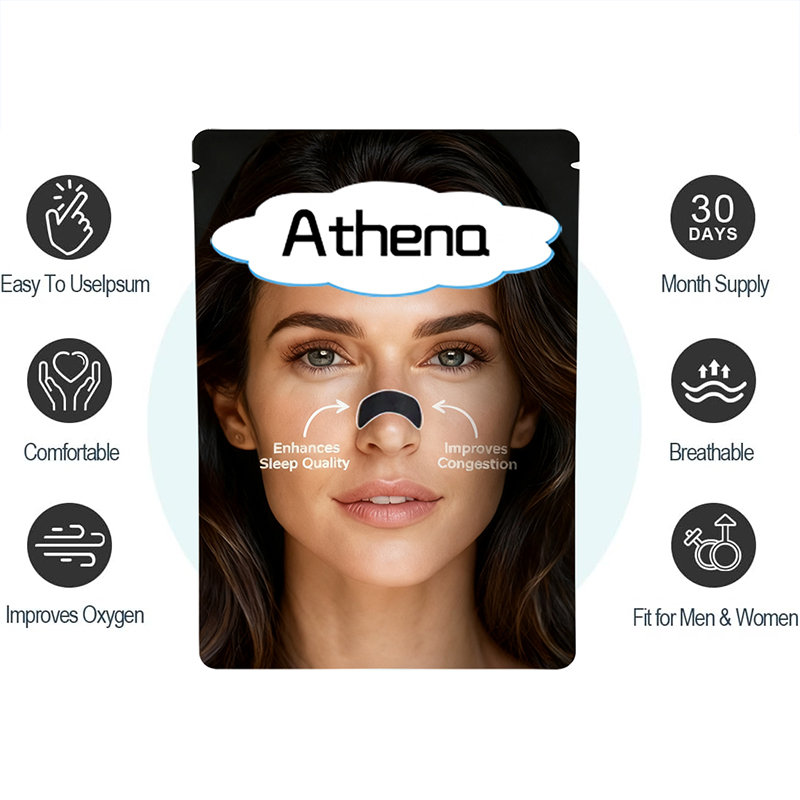
Many people struggle to keep the adhesive attached through the night. Natural tossing and turning generates friction. Skin oils naturally regenerate over several hours. To combat this, follow a rigid protocol. Clinical success relies entirely on these four mandatory steps.
Step 1: Degrease and Prep (The most common failure point)
You must wash the nose thoroughly. Use basic soap and warm water. This strips away natural oils, daily moisturizers, and heavy night creams. Do not use hydrating face washes. Critical execution detail: The skin must be 100% bone-dry before application. Any residual moisture blocks the adhesive from bonding to the epidermis.
Step 2: Identify the "Placement Zone"
Stand in front of a mirror. Look for the exact spot where the nostrils begin to flare outward. This sits roughly across the lower middle-half of the nose. The center should rest symmetrically across the bridge. The flexible ends must rest directly over the flare. Precision matters here.
Step 3: Apply Without Contamination
Carefully peel the paper backing. Do not touch the central adhesive. Oil from your fingertips ruins the glue instantly. Place the center down onto your nose first. Firmly smooth the ends outward. Press them down the sides of the nose. Pro-tip: Hold and press firmly for 10–15 seconds. Body heat activates the adhesive polymers. Do not attempt to lift and reposition. If you mess up, discard it. Use a new one.
Step 4: Verify Your Sizing
A properly sized product covers the width of the nostril flare. It should not wrap entirely under the nose. It should never sit too close to the cheeks. Proper sizing ensures the internal spring bands exert the correct outward tension.
Adhesive failure is incredibly frustrating. It wakes you up and disrupts your sleep cycle. Several distinct factors cause mid-night detachment. Identifying your specific error helps you correct it immediately.
Sizing mismatches ruin the mechanical leverage. Using a "Large" on a small nose causes the rigid bands to overshoot the target. The ends pull away from the skin. Conversely, using a "Small" on a wide nose lacks the mechanical strength to lift heavy cartilage. The band snaps back to its flat shape. It pulls the adhesive right off your skin.
Skincare interference is the quiet culprit. Applying the product after an evening skincare routine guarantees failure. Serums, lotions, and heavy oils create a slippery barrier. The glue sticks to the lotion instead of your skin. The product slides off within an hour.
Sweat and high-intensity movement also pose challenges. Many athletes use these tools to reduce airway resistance during workouts. Standard sleep variants often fail under heavy perspiration. Evaluation criteria: Switch to "Extra Strength" variants. Manufacturers engineer these specifically for sports performance. They utilize aggressive adhesives designed to resist heavy sweat.
Troubleshooting Common Adhesion Failures | ||
The Problem | The Root Cause | The Actionable Solution |
|---|---|---|
Edges lift after 30 minutes | Skin oils or moisturizers blocked the glue. | Wash nose with basic bar soap. Dry completely. Apply before skincare. |
Pops off in the middle of the night | Wrong size selected. Tension exceeds adhesive grip. | Measure your nose flare. Switch to a smaller or larger size. |
Falls off during a heavy workout | Standard adhesive dissolved by sweat. | Upgrade to extra-strength sports variants. |
Taking the product off requires as much care as putting it on. Proper removal protects your skin barrier. Skipping this step leads to unnecessary pain.
The primary risk involves skin tearing. Pulling it off like a standard bandage causes damage. It can trigger skin peeling, severe redness, or adhesive burns. The adhesive bond strengthens over a 12-hour wear period. Yanking it dry pulls the top layer of the epidermis right off. This leaves a painful red mark across your nose.
The warm water method prevents this trauma. We highly recommend removing the product during your morning shower. The steam and warm water naturally weaken the adhesive bond. Alternatively, apply a warm, wet washcloth directly to the nose. Hold it there for 10–15 seconds. The heat and moisture dissolve the glue safely.
Mastering the peeling technique saves your skin. Never rip upward from the center. Gently lift from the outer edges. Peel slowly toward the center of the nose. If you feel harsh resistance, apply more warm water. You can also use a drop of baby oil to dissolve stubborn glue residue.
We must define the boundaries of the product. Maintaining realistic expectations ensures you find the right treatment. Explicitly stating what they cannot do saves you time and money.
Nasal vs. Mouth Snoring: These products only solve snoring caused by nasal resistance. If you breathe through your mouth all night, they will not help. If your throat airway collapses, they will not silence the snoring. Chronic mouth-breathers require combination therapies. Consider pairing Nasal Strips with specialized chin supports. The chin strap keeps the mouth closed. The strip opens the nasal airway.
Pathological Blockages: Severe structural issues require medical intervention. If you suffer from a severe deviated septum, external mechanical lift is insufficient. Nasal polyps physically block the airway entirely. Enlarged tonsils obstruct the throat.
Obstructive Sleep Apnea (OSA): This is a serious medical condition. Your throat muscles relax and block your airway. You stop breathing briefly. A primary care doctor or ENT is required. They might prescribe a CPAP machine. Nasal strips serve as a primary, low-risk intervention. They are not a medical cure for OSA.
The market offers numerous variations. Finding the right style impacts your comfort and results. Different materials serve different lifestyles.
Standard versions use strong adhesives on a tan fabric base. They work well for average congestion. However, sensitive skin requires a different approach. We recommend clear strips for sensitive users. Clear versions often utilize a gentler, latex-free adhesive. They minimize morning redness. They also blend into the skin better. This makes them ideal for discreet daytime wear.
Extra Strength models provide aggressive lift. They feature stronger internal spring bands. They handle heavy congestion perfectly. They lift rigid nasal cartilage effectively. Athletes heavily favor these for intense sports performance.
Aromatherapy infusions add another layer of relief. Specialized variations include scented oils. Lavender options promote relaxation and better sleep hygiene. Menthol options provide perceived cooling relief. They feel incredibly soothing during severe winter colds.
Magnetic alternatives represent newer technology. They use external magnetic applicators. You attach small metal discs to your nose. A reusable magnetic band bridges the nose and pulls outward. They eliminate morning adhesive removal. However, they carry a higher upfront cost. Clinical consensus remains mixed compared to traditional adhesive versions.
Comparing Strip Variations | ||
Product Type | Best Use Case | Key Benefit |
|---|---|---|
Standard Tan | Everyday sleep and mild snoring. | Affordable and widely available. |
Clear / Sensitive | Daytime wear, sensitive skin. | Gentle adhesive, visually discreet. |
Extra Strength | Athletics, heavy colds, rigid cartilage. | Maximum mechanical lift. |
Aromatherapy | Sleep hygiene, stuffy head colds. | Menthol or lavender sensory relief. |
Proper application translates directly to product efficacy. Prepping the skin remains the most important step. Finding the anatomical sweet spot maximizes airflow. Using the right size completes the formula for success. You control these variables entirely.
Take action tonight. Test your sizing using the mirror-placement method described above. Wash your face with simple soap and dry it completely. Track your sleep quality over the next three to five days. Monitor your athletic endurance if you use them for workouts. Gathering this personal data helps you form an objective conclusion about the product's true value.
A: No. Limit use to 10-12 hours per day to allow the skin to breathe and prevent irritation.
A: No. They only address mild, congestion-based nasal snoring and do not resolve the throat/airway collapse associated with OSA.
A: No. The adhesive is single-use and will not re-bond to the skin securely once removed.
A: Generally safe for children over 5, but always look for specifically sized pediatric strips and verify they are latex-free.


